Free Buyer’s Guide: Comparing Silver-Lined vs. Steel-Fiber Radiation Shielding Blankets
Estimated Read Time: 5 min
Difficulty Level: Intermediate
Understanding Radiation Shielding Materials
In the modern world, we are constantly surrounded by Electromagnetic Fields (EMF) and Radiofrequency (RF) radiation from cell towers, Wi-Fi routers, and smart devices. Radiation shielding blankets have become a popular tool for individuals looking to reduce their exposure, particularly during sleep or pregnancy. However, not all blankets are created equal.
The effectiveness of a radiation blanket depends primarily on the conductive material woven into its fabric. This material creates a "Faraday Cage" effect, reflecting and absorbing incoming radiation. The two most common materials used today are silver and stainless steel. While both are effective, they offer very different user experiences, price points, and lifespans.
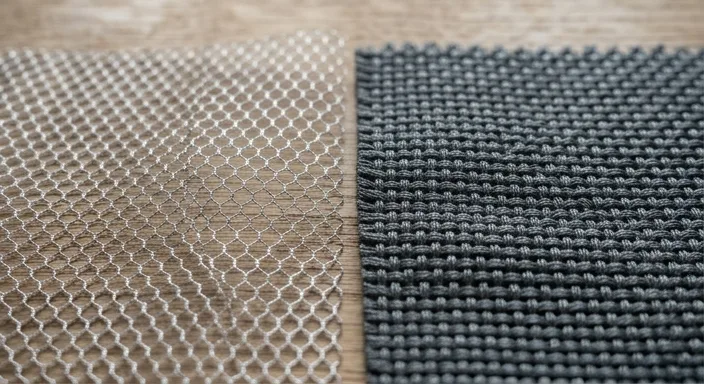
The Benefits and Drawbacks of Silver-Lined Blankets
Silver is widely considered the gold standard for high-performance shielding. Because silver is the most conductive element, it provides exceptional attenuation (reduction) of RF signals, often blocking over 99.9% of radiation.
The Pros:
- High Conductivity: Exceptional shielding across a wide range of frequencies, including 5G.
- Softness: Silver fibers are incredibly thin and can be woven into silk-like fabrics, making these blankets very comfortable for direct skin contact.
- Antimicrobial: Silver is naturally antibacterial and odor-resistant, which is a significant plus for bedding.
- Lightweight: These blankets are usually lighter and more breathable than steel alternatives.
The Cons:
- Sensitivity: Silver is prone to oxidation. Exposure to sweat, skin oils, and certain detergents can cause the silver to tarnish and lose conductivity over time.
- Price: As a precious metal, silver-lined blankets are generally more expensive.
Head-to-Head: Conductivity vs. Longevity
When choosing between the two, you are essentially trading peak performance for longevity. A high-quality silver blanket might offer 60-80dB of attenuation when new, while a steel blanket might offer 30-50dB. To put that in perspective, 30dB blocks 99.9% of radiation, while 60dB blocks 99.9999%. For most residential environments, 30-50dB is more than sufficient.
If you live near a high-power cell tower, the extra "headroom" provided by silver might be worth the investment. However, if you plan to use the blanket every single night and wash it monthly, the steel-fiber blanket will likely outperform the silver one after a year of use because the silver may have degraded from oxidation.
Washing and Longevity: A Critical Factor
Maintenance is the "silent killer" of EMF blankets. Many people buy a high-end silver blanket and ruin it within six months by using the wrong detergent. Silver requires pH-neutral detergent and distilled water (if your tap water is high in minerals or chlorine). If you use standard Tide or OxiClean on silver, the shielding capacity can drop to near zero in just a few washes.
Steel blankets are much more "forgiving." While you should still avoid bleach and high-heat drying, they can handle standard tap water and gentle detergents without significant loss of function. If you are buying a blanket for a child or a pet—where spills and dirt are inevitable—steel is almost always the better choice.
The Verdict: Which One Should You Buy?
Choose a Silver-Lined Blanket if:
- You want the highest possible shielding for extreme sensitivity.
- You prioritize a soft, luxurious feel and antimicrobial properties.
- You are willing to follow strict washing protocols (hand washing or distilled water).
- You are using it during pregnancy and want the "best of the best" for a short, critical period.
Choose a Steel-Fiber Blanket if:
- You want a blanket that will last 5-10 years with regular use.
- You plan on washing the blanket frequently.
- You are on a budget but still want 99%+ protection.
- You prefer a slightly heavier, more durable fabric.
Frequently Asked Questions
Do silver blankets block 5G better than steel?
Silver has higher conductivity, which generally allows it to perform better at higher frequencies. However, both materials are capable of blocking the "Sub-6" 5G frequencies used by most carriers today.
Are silver blankets safe for skin?
Yes, silver is widely used in medical wound dressings because it is hypoallergenic and antimicrobial. It is very safe for direct skin contact.
How do I test if my blanket is still working?
The most reliable way is with a dedicated RF meter. Wrap your phone in the blanket and check if the signal strength drops. Note: Don't just check the "bars" on your phone, as they are not precise; use an actual EMF meter for accuracy.
Next Guide: How to Stay Safe While Traveling - Using EMF Blankets on Airplanes
As an Amazon Associate I earn from qualifying purchases.
Disclaimer: The content on radiationblanket.com is for informational and entertainment purposes only. All DIY projects and product purchases are undertaken at your own risk. Buyer beware.