How to Safely Wash and Care for Radiation Shielding Fabric
Jump to Section
Understanding Your Radiation Shielding Fabric
Radiation shielding fabric is not your typical textile. Whether you have a blanket, a canopy, or a piece of EMF-blocking clothing, the magic lies in the ultra-fine metallic fibers woven into the material. Usually, these fibers consist of high-purity silver, copper, or stainless steel.
Silver is the most common choice for premium radiation blankets because of its incredible conductivity and natural antimicrobial properties. However, silver is also highly reactive. Just as silver jewelry tarnishes when exposed to certain chemicals or air, the silver threads in your blanket can oxidize. When these threads oxidize or break due to mechanical stress, their ability to conduct electricity—and thus reflect EMF radiation—drops significantly.
Proper care isn't just about cleanliness; it's about preserving the investment you’ve made in your health and environmental safety.
The Golden Rules of EMF Fabric Maintenance
Before we get into the "how-to," there are five non-negotiable rules you must follow to prevent ruining your fabric instantly:
- No Bleach or Chlorine: Chlorine is the enemy of silver. It will strip the metallic coating off the base fiber almost immediately.
- pH-Neutral Detergents Only: Standard detergents are often too alkaline or contain sulfur. Sulfur causes silver to tarnish and lose conductivity.
- Low Temperature: Heat expands fibers and can cause the metallic bond to weaken. Always use cold or lukewarm water (below 30°C/86°F).
- No Dry Cleaning: The harsh chemicals used in dry cleaning processes are far too aggressive for specialized EMF fabrics.
- Avoid Hard Water: If you live in an area with very hard water, the minerals can build up on the fibers. Using distilled water for a final rinse is highly recommended.
Step-by-Step Washing Instructions
We highly recommend hand washing as the primary method. While some manufacturers claim their products are machine washable, the mechanical agitation of a washing machine—even on a delicate cycle—shortens the lifespan of the shielding.
The Hand Washing Method (Recommended)
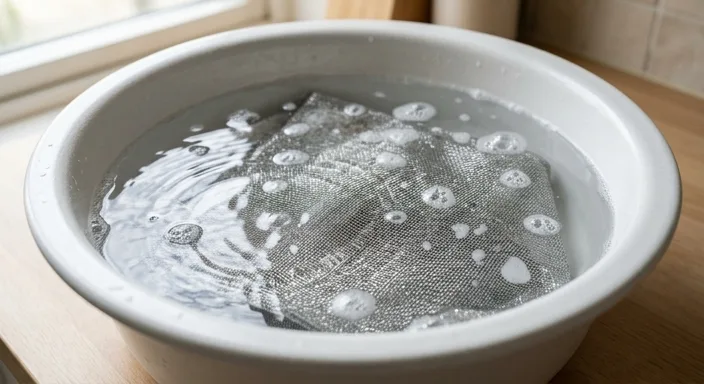
- Fill a Basin: Use cool or lukewarm water. If you have a water softener, that is ideal.
- Add Detergent: Use a detergent specifically designed for silver fabrics (like TexCare) or a very mild, pH-neutral, fragrance-free liquid soap. Stir the water to ensure the soap is fully diluted before adding the fabric.
- Submerge and Soak: Place the fabric in the water. Gently push it down. Let it soak for 5–10 minutes. Do not scrub or wring the fabric vigorously.
- Gently Agitate: Swirl the fabric in the water gently with your hands to loosen any dirt or oils.
- Rinse: Drain the soapy water and rinse the fabric multiple times with cool, fresh water until all soap residue is gone. Residue left on the silver can lead to oxidation.
The Machine Washing Method (If Necessary)
If you must use a machine, ensure it is a front-loading machine (no central agitator) and follow these steps:
- Place the item in a fine-mesh laundry bag to protect it from snags.
- Select the "Delicate" or "Hand Wash" cycle.
- Use the lowest spin speed possible.
- Double-check that no other laundry items with zippers or hooks are in the same load.
Drying and Storing Your Radiation Blanket
How you dry your fabric is just as critical as how you wash it. Never use a tumble dryer. The heat and the friction will cause the microscopic metallic threads to snap.
Drying: Lay the fabric flat on a clean, dry towel. You can roll the towel up gently to squeeze out excess moisture, then unroll it and let the fabric air dry. Keep it away from direct sunlight, as UV rays can also accelerate the degradation of certain shielding materials.
Storage: Store your radiation shielding items in a cool, dry, and dark place. Avoid folding the fabric in the exact same spot every time, as sharp creases can eventually break the metallic fibers. Rolling the fabric is often better than folding if you have the space.
Common Mistakes to Avoid
Many people unknowingly destroy their EMF protection within the first few months. Avoid these common pitfalls:
- Fabric Softeners: These leave a waxy coating on the fibers which insulates the silver and reduces its ability to ground or shield.
- Ironing: Direct heat from an iron can melt the synthetic fibers that often hold the silver threads in place. If you must iron, use the lowest "Silk" setting and use a pressing cloth between the iron and the shielding fabric.
- Frequent Washing: Unlike a standard bedsheet, you shouldn't wash your EMF blanket weekly. Every wash reduces the "attenuation" (blocking power) slightly. Wash only when absolutely necessary.
How to Test If Shielding Is Still Effective
After a few washes, you might wonder if the blanket is still doing its job. You cannot tell by looking at it. Oxidation might cause a slight discoloration (turning yellowish or greyish), but the only way to be sure is to test it.
You can use a high-quality RF (Radio Frequency) meter. Measure the signal strength of your Wi-Fi router or a nearby cell tower, then place the blanket over the meter. You should see a significant drop in the numbers (measured in microwatts per square meter or decibels). If the numbers remain high even when the meter is fully wrapped, the shielding fibers have likely been compromised.
Frequently Asked Questions
No. Vinegar is acidic. Acidity can react with silver and copper fibers, leading to corrosion and loss of shielding effectiveness.
This is usually a sign of oxidation. It can happen due to minerals in your water, sweat (salts/acids), or the wrong detergent. While a little discoloration is normal, heavy tarnishing means the shielding is degrading.
It is the "gold standard." If you have expensive EMF bed canopies, using distilled water for the final rinse ensures no minerals or chlorine from tap water remain on the fabric.